Blog

How to Choose the Perfect Channapatna Wooden Toy for Every Age

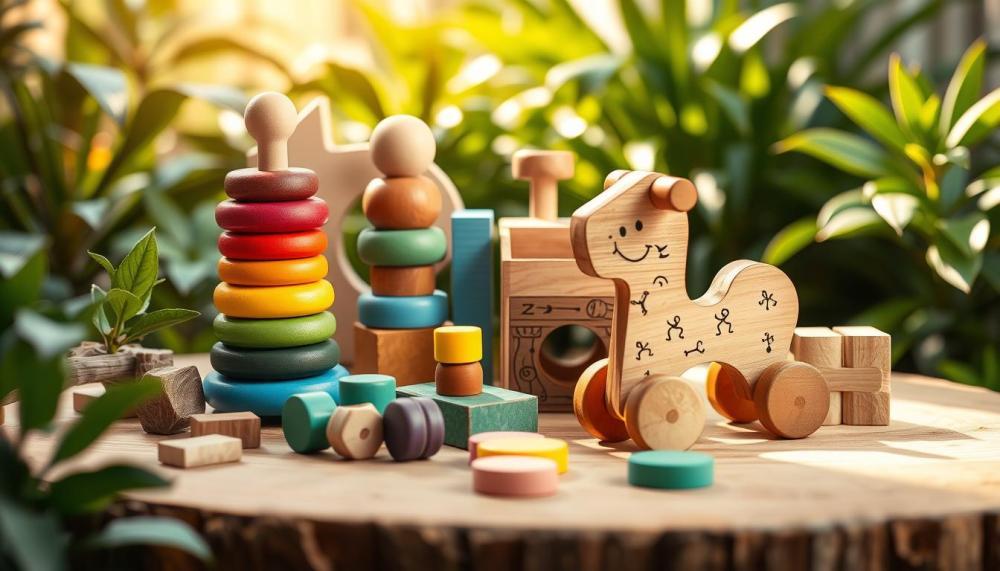
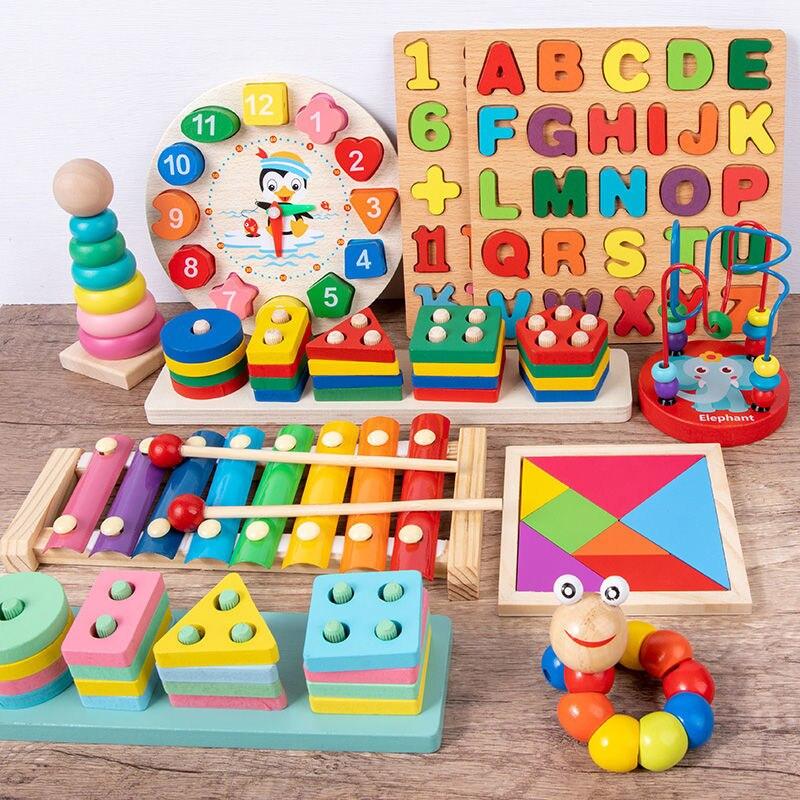
Wooden toys for every age help children learn, explore, and grow through safe and meaningful play. Choosing age-appropriate wooden toys encourages creativity, motor skill development, problem-solving, and confidence. This guide explains the best wooden toys for every stage, from infancy to preschool, helping parents make informed choices for their little ones. Find age-appropriate wooden toys that support your child’s learning and development from infancy to preschool. Choosing the right toy for your child is more than simply picking something colorful or entertaining. The toys children play with influence their physical, emotional, cognitive, and social development. Wooden toys, especially handcrafted Channapatna wooden toys, have become increasingly popular among parents because they combine safety, sustainability, and educational value. Unlike plastic toys that often rely on lights and sounds for entertainment, wooden toys encourage children to use their imagination and develop important life skills through hands-on play. Every stage of childhood requires different types of toys that match a child’s growing abilities and interests. Understanding which wooden toys are appropriate for each age group helps parents provide meaningful play experiences that support healthy development. In this guide, we’ll explore the best wooden toys for every stage, from infancy to preschool, along with essential safety tips, educational benefits, and storage advice. 0–12 Months The first year of a child’s life is filled with curiosity and rapid growth. Babies begin discovering the world through touch, sight, and sound, making sensory toys especially important. Ideal wooden toys for infants include: These toys help babies strengthen their grip, improve hand-eye coordination, and develop sensory awareness. Since infants frequently place objects in their mouths, parents should choose toys made from natural wood with non-toxic, vegetable-based colors and finishes. Channapatna wooden toys are an excellent choice because they are handcrafted using traditional techniques and safe materials, giving parents peace of mind while encouraging healthy exploration. 1–2 Years Toddlers are naturally energetic and curious. At this stage, they enjoy exploring their surroundings and learning through movement. Recommended wooden toys include: These toys improve balance, coordination, and fine motor skills while introducing basic problem-solving concepts. Shape sorters, for example, teach toddlers to recognize different shapes and develop logical thinking. Wooden toys also encourage independent play, allowing children to experiment and learn at their own pace without constant electronic stimulation. 2–3 Years Children between two and three years become more imaginative and communicative. They enjoy creating stories, pretending, and experimenting with different activities. Suitable wooden toys include: These toys help develop creativity, language skills, and social interaction. Pretend play allows children to imitate real-life situations, improving communication and emotional understanding. Building blocks also teach patience and persistence as children learn to construct towers, bridges, and simple structures while improving hand-eye coordination. 3–5 Years Preschoolers are ready for toys that challenge their thinking and encourage teamwork. They enjoy games that involve counting, matching, building, and solving problems. Excellent choices include: These toys promote logical thinking, early mathematics, color recognition, and problem-solving skills. Many wooden educational toys introduce numbers, letters, shapes, and patterns in an engaging way, making learning enjoyable before children enter school. Group activities using wooden toys also teach sharing, teamwork, and communication—essential social skills that benefit children throughout their lives. Safety Considerations Safety should always be the highest priority when purchasing toys for children. When selecting wooden toys, always look for: Avoid toys with small detachable parts for younger children, as they may present choking hazards. Regularly inspect toys for cracks, loose pieces, or damage and replace them if necessary. Authentic Channapatna wooden toys are known for their smooth finish and child-safe materials, making them one of the safest toy choices available. Educational Benefits Wooden toys provide much more than entertainment. They encourage active learning by allowing children to think, imagine, and solve problems independently. Some of the key educational benefits include: Unlike electronic toys that often entertain passively, wooden toys encourage children to participate actively in creating their own learning experiences. Gift Ideas Whether you’re shopping for a birthday, baby shower, naming ceremony, festival, or special celebration, wooden toys make thoughtful and meaningful gifts. Popular gift ideas include: These handcrafted toys are durable enough to last for years and often become treasured keepsakes that can even be passed down to younger siblings or future generations. Storage Tips Proper care helps preserve the beauty and durability of wooden toys. Follow these simple maintenance tips: With proper care, high-quality wooden toys can remain safe and attractive for many years.
Blog

Introduction to Channapatna Toys

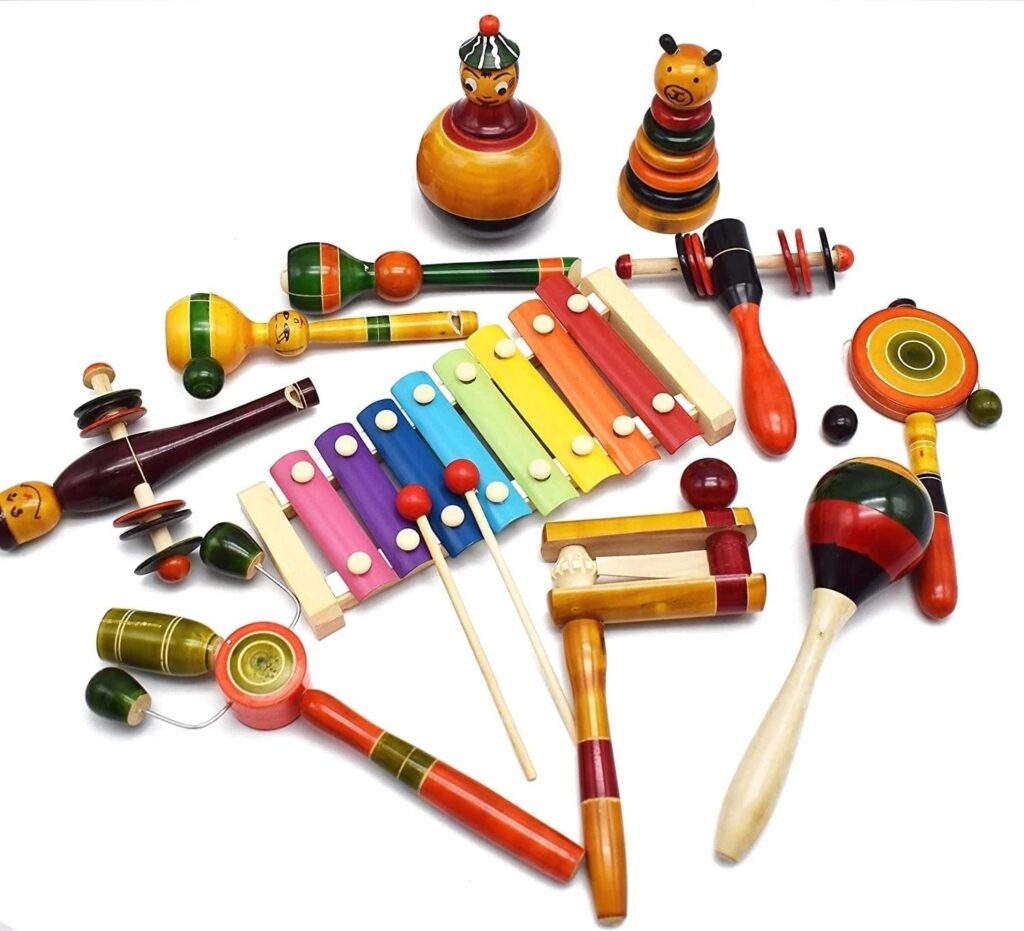
Channapatna toys are traditional handcrafted wooden toys made in the town of Channapatna, Karnataka, India. Renowned for their vibrant colors, smooth finish, and timeless appeal, these toys beautifully combine art, culture, and functionality. History Dating Back Over 200 Years The craft of Channapatna toy-making dates back more than two centuries, with its roots tracing to the reign of Tipu Sultan. Inspired by Persian lacquerware techniques, local artisans developed a unique style that has been preserved and refined through generations. UNESCO-Recognized Craftsmanship Channapatna toys have gained international recognition for their exceptional craftsmanship and cultural significance. Their Geographical Indication (GI) status and association with UNESCO-supported initiatives have helped preserve this traditional art while promoting it globally. Handmade by Skilled Artisans Every Channapatna toy is carefully handcrafted by experienced artisans using traditional wood-turning and lacquering techniques. Each piece reflects meticulous attention to detail, making every toy unique and full of character. Eco-Friendly Materials These toys are crafted from sustainably sourced hale wood (Wrightia tinctoria) and finished with natural, non-toxic vegetable dyes. Their environmentally friendly production process makes them a sustainable alternative to mass-produced plastic toys. Safe for Children Channapatna toys are designed with children’s safety in mind, featuring smooth edges, durable construction, and chemical-free colors. Parents can confidently choose these toys for safe, worry-free play. Passed Down Through Generations Built to last, these wooden toys often become cherished family heirlooms. Their timeless quality and sentimental value allow them to be enjoyed by multiple generations, creating lasting memories. Why They Remain Relevant Today In today’s world of digital entertainment, Channapatna toys encourage creativity, imagination, and hands-on learning. Their sustainable design and educational value make them a preferred choice for modern parents seeking meaningful play experiences. Conclusion Channapatna toys represent more than just playthings—they are a celebration of India’s rich heritage, skilled craftsmanship, and sustainable living. Choosing these toys helps preserve a centuries-old tradition while providing children with safe, beautiful, and educational companions.

Blog

The Art of Making Channapatna Wooden Toys

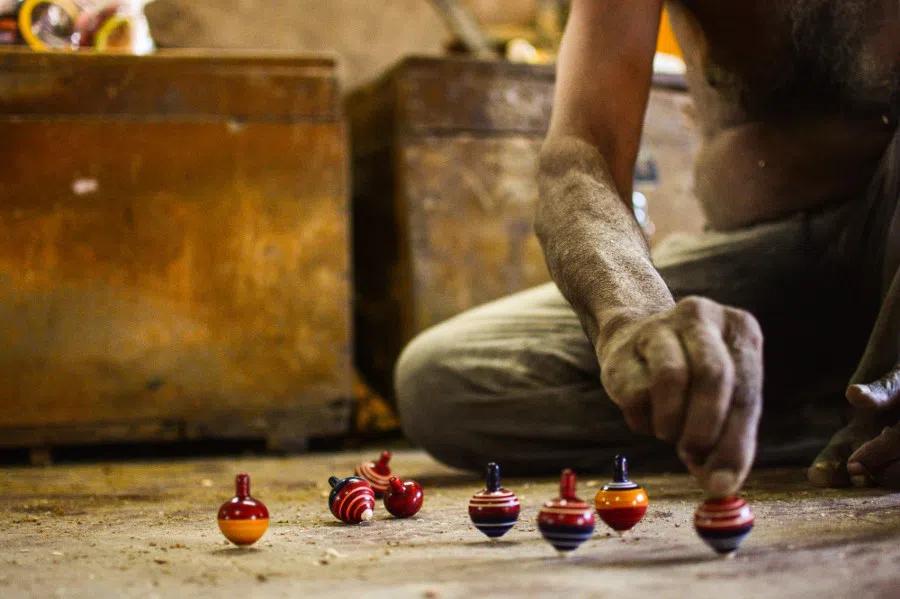
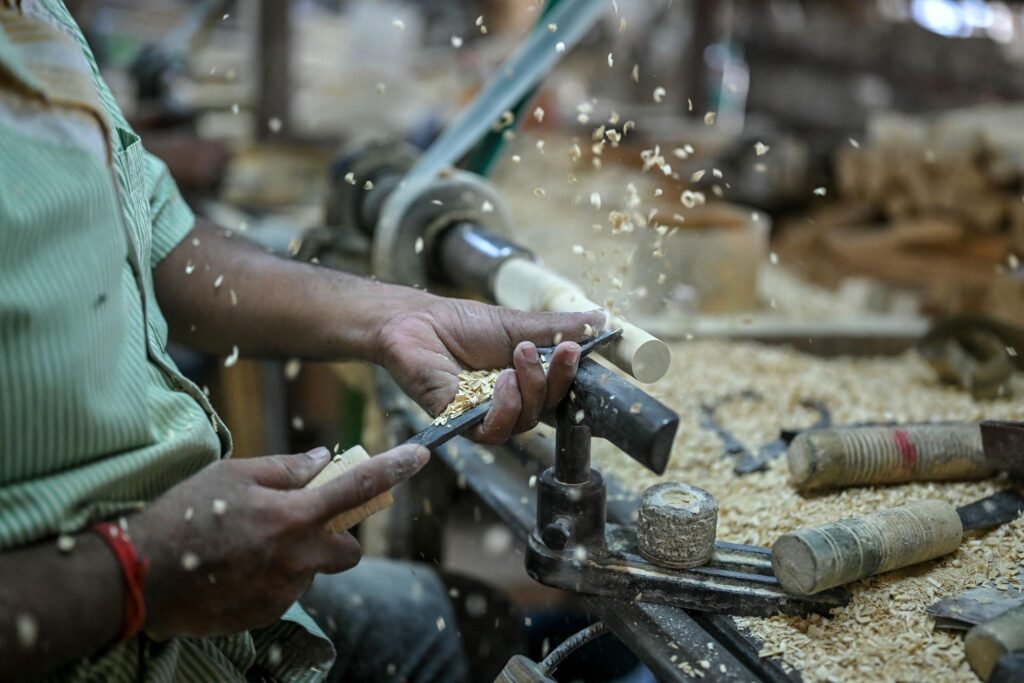
Take a behind-the-scenes look at the traditional techniques used by artisans to create vibrant Channapatna wooden toys. Selecting Sustainable Wood The journey of a Channapatna toy begins with carefully selected hale wood (Wrightia tinctoria), known for its lightweight, smooth texture, and durability. Sourced responsibly, this wood supports sustainable forestry while providing the perfect material for handcrafted toys. Wood Turning Process The prepared wood is mounted on a traditional lathe, where skilled artisans shape it into various forms using specialized hand tools. This precise wood-turning technique requires years of experience to create smooth, symmetrical, and beautifully crafted pieces. Natural Vegetable Dyes Instead of synthetic paints, Channapatna toys are colored using natural vegetable-based dyes and non-toxic pigments. These vibrant colors are safe for children and give each toy its distinctive, cheerful appearance while remaining environmentally friendly. Lacquer Coating A layer of natural lacquer is applied while the toy rotates on the lathe, creating a glossy and long-lasting finish. This traditional process enhances the toy’s beauty, protects the wood, and highlights its natural grain. Hand Polishing Each toy is carefully polished by hand to achieve a smooth, silky surface free from rough edges. This final touch ensures the toys are safe for children to handle and pleasant to touch. Quality Checks Before reaching customers, every toy undergoes careful inspection for shape, finish, durability, and safety. Only products that meet high craftsmanship standards are approved, ensuring consistent quality and customer satisfaction. Importance of Artisan Skills Creating Channapatna toys is a craft passed down through generations, preserving techniques that are over 200 years old. The expertise, patience, and creativity of these artisans make every toy unique and reflect India’s rich cultural heritage. Supporting Local Communities Choosing authentic Channapatna toys directly supports local artisan families and helps preserve traditional livelihoods. Every purchase contributes to sustaining this centuries-old craft, encouraging rural employment and keeping India’s handcrafted heritage alive for future generations.

Blog

Wooden Toys vs Plastic Toys: Which Is Better?

Compare wooden and plastic toys to understand why many parents are choosing sustainable, long-lasting wooden toys. Safety Comparison Wooden toys are typically made from natural materials and finished with non-toxic paints or vegetable dyes, making them a safer choice for children. In contrast, some low-quality plastic toys may contain harmful chemicals or break into sharp pieces, posing safety risks. Environmental Impact Wooden toys are biodegradable, renewable, and often crafted from sustainably sourced wood, making them an eco-friendly option. Plastic toys, however, contribute significantly to landfill waste and can take hundreds of years to decompose, impacting the environment. Durability High-quality wooden toys are built to withstand years of play without losing their charm or functionality. Unlike plastic toys that can crack or wear out easily, wooden toys are sturdy enough to be passed down through generations. Educational Value Wooden toys encourage open-ended play, allowing children to think creatively, solve problems, and develop cognitive skills. Plastic toys with electronic features may entertain children temporarily but often limit imagination and independent thinking. Maintenance Wooden toys are easy to maintain with occasional cleaning using a soft damp cloth and proper storage in a dry place. Plastic toys may require more frequent cleaning, especially those with batteries or electronic components that cannot be washed easily. Cost Over Time Although wooden toys may have a higher initial price, they offer excellent long-term value due to their durability and timeless appeal. Plastic toys often need frequent replacement, making them more expensive over time despite their lower upfront cost. Child Engagement Wooden toys encourage children to create their own stories, games, and learning experiences without relying on lights or sounds. This type of open-ended play keeps children engaged longer and supports emotional, social, and intellectual development. Buying Guide When purchasing wooden toys, look for products made from sustainably sourced wood, finished with non-toxic colors, and certified for child safety. Choosing authentic handcrafted toys, such as Channapatna wooden toys, also supports traditional artisans and ensures superior quality. Conclusion Both wooden and plastic toys have their place, but wooden toys offer clear advantages in terms of safety, sustainability, durability, and developmental benefits. For parents looking to invest in meaningful, eco-friendly play, wooden toys are a timeless choice that benefits both children and the planet.

Blog

The Eco-Friendly Choice: Why Sustainable Wooden Toys Matter

Discover how Channapatna wooden toys help reduce plastic waste. Furthermore, they promote environmentally responsible play for your kids. Combating Plastic Pollution Every year, millions of plastic toys end up in landfills. Unfortunately, they can take centuries to decompose. Therefore, choosing wooden toys actively reduces this massive waste. As a result, this choice encourages a much cleaner environment for future generations. Sustainable Wood Sourcing Authentic Channapatna toys are made from sustainably sourced hale wood (Wrightia tinctoria), a fast-growing and renewable tree species. Responsible sourcing ensures that natural resources are preserved while supporting environmentally friendly manufacturing practices. Safe, Natural Dyes Instead of using chemical-based paints, makers apply natural, vegetable-based dyes to Channapatna toys. Importantly, these non-toxic colors remain completely safe for children. Moreover, they are gentle on the environment and give each toy a vibrant, lasting appearance. Biodegradable Materials Wood is a naturally renewable material. Because of this, you can easily recycle or compost it at the end of its life cycle. Unlike plastic, which causes long-term pollution, wooden toys leave a drastically smaller environmental footprint. A Longer Lifespan Due to their incredible strength, wooden toys withstand years of active play. Consequently, this long lifespan reduces the need for frequent replacements. Ultimately, this durability helps families minimize household waste and save money over time. Supporting Eco-Conscious Parenting Today, parents increasingly look for products that remain safe for their children and kind to the planet. Fortunately, wooden toys perfectly align with these exact values. They simply offer a reliable, chemical-free alternative to conventional plastics. Teaching Children Sustainability Introducing eco-friendly toys helps children understand the importance of caring for the environment. First, they learn valuable lessons about conservation through everyday play. Furthermore, this hands-on experience helps them build lifelong sustainable habits.

Blog

Preserving India’s Toy-Making Heritage Through Channapatna Crafts

Learn how buying Channapatna wooden toys supports traditional artisans and helps preserve India’s rich craft heritage. History of Channapatna Nestled in Karnataka’s Ramanagara district, Channapatna has been famous for its handcrafted wooden toys for more than 200 years. The craft is believed to have flourished during the reign of Tipu Sultan, who encouraged local artisans to learn the art of lacquerware. Over time, the town earned the title “Toy Town of Karnataka” and became a symbol of India’s rich artistic heritage. GI Tag Significance Channapatna wooden toys have been awarded a Geographical Indication (GI) Tag, which protects their authenticity and unique identity. This recognition ensures that only toys produced using traditional methods in the Channapatna region can carry the name. The GI tag also helps artisans receive fair recognition and prevents imitation products from diluting the value of this centuries-old craft. Artisan Families For many families in Channapatna, toy-making is more than a profession—it’s a way of life passed down through generations. Parents teach their children traditional techniques from an early age, preserving valuable skills and cultural knowledge. Every handcrafted toy reflects the dedication, patience, and passion of these skilled artisans. Traditional Craftsmanship Each Channapatna toy is handmade using traditional wood-turning techniques on a lathe, followed by careful shaping, coloring, polishing, and finishing. Natural vegetable-based dyes and eco-friendly lacquer give the toys their vibrant colors and glossy appearance. Every piece is unique, showcasing the artisan’s expertise and attention to detail. Government Initiatives The Government of Karnataka and various national organizations have introduced several initiatives to support Channapatna artisans through skill development, design innovation, financial assistance, and market access. Training programs and collaborations with designers have helped modernize products while preserving traditional craftsmanship. These efforts ensure the craft remains competitive in today’s global marketplace. Global Recognition Channapatna toys are admired not only in India but also in international markets for their craftsmanship, sustainability, and child-safe materials. Their eco-friendly appeal and cultural significance have attracted customers, designers, and collectors from around the world. Today, these handcrafted toys proudly represent India’s artistic excellence on a global stage. How Customers Contribute Every purchase of an authentic Channapatna toy directly supports artisan families, helps sustain traditional livelihoods, and encourages younger generations to continue the craft. By choosing handmade wooden toys over mass-produced plastic alternatives, customers play an important role in preserving India’s cultural heritage while promoting sustainable living. Future of Handmade Toys As parents increasingly seek safe, eco-friendly, and educational toys, the demand for handcrafted wooden toys continues to grow. With continued support from consumers, governments, and global markets, Channapatna’s toy-making tradition has a promising future. Preserving this remarkable craft ensures that future generations can continue to enjoy toys that celebrate creativity, sustainability, and India’s timeless heritage. Conclusion Channapatna wooden toys are more than beautiful handcrafted playthings—they are living symbols of India’s cultural heritage and skilled craftsmanship. Every toy tells a story of tradition, sustainability, and dedication passed down through generations. By choosing authentic Channapatna toys, we not only provide children with safe and meaningful play experiences but also help preserve one of India’s most treasured artisan traditions for years to come.

Blog

Caring for Your Wooden Toys: Tips to Make Them Last for Years

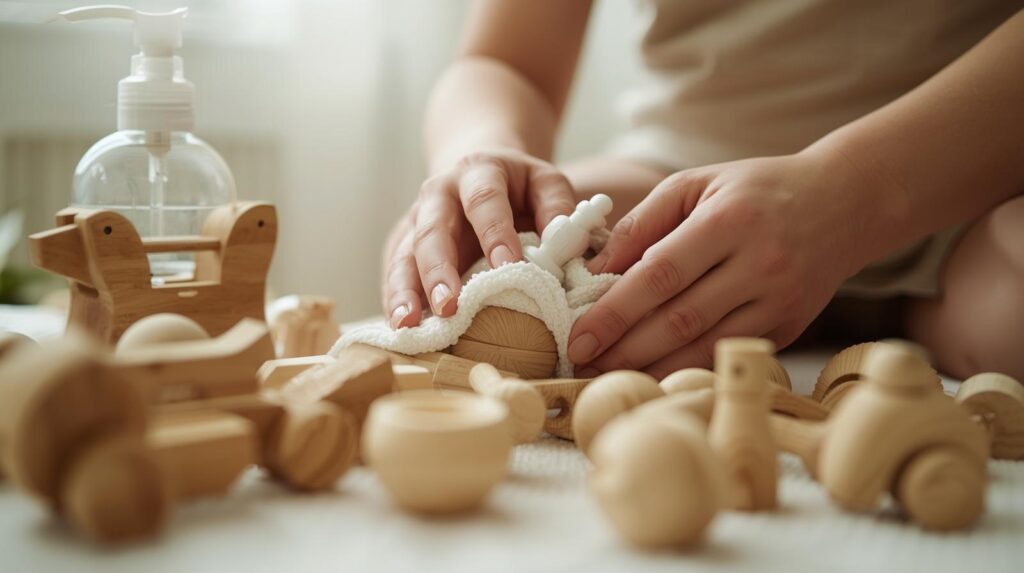
Toy Care – Learn simple and effective ways to clean, maintain, and store your wooden toys so they remain safe, beautiful, and durable for generations. Why Wooden Toys Need Care Wooden toys are naturally durable, but proper care helps maintain their beauty and strength. Unlike plastic toys, they are made from natural materials that benefit from gentle cleaning and appropriate storage. A little maintenance can keep them looking new for many years. Cleaning Wooden Toys Clean wooden toys using a soft cloth dampened with water and a mild soap solution. Wipe them gently and dry immediately with a clean towel. Avoid soaking them in water, as excessive moisture can damage the wood. Avoid Harsh Chemicals Strong detergents, bleach, and chemical cleaners can damage the natural finish and remove protective coatings. Instead, use child-safe cleaning solutions or a mixture of water and white vinegar for occasional sanitizing. Keep Toys Dry Wood naturally absorbs moisture, which may cause swelling or cracks over time. Always store toys in a dry place and never leave them outdoors or in damp areas. If a toy becomes wet, dry it thoroughly before storing it. Store Properly Organize wooden toys in baskets, shelves, or storage boxes to prevent unnecessary scratches and damage. Keeping toys neatly arranged also makes it easier for children to access and put them away after playtime. Protect from Direct Sunlight Long exposure to direct sunlight may fade natural colors and dry out the wood. Store toys in a cool, shaded area to preserve their vibrant appearance and smooth finish for years. Regular Safety Checks Inspect toys regularly for loose parts, rough edges, or signs of wear. If any part becomes damaged, repair or replace the toy to ensure it remains safe for children. Passing Toys to the Next Generation One of the greatest advantages of wooden toys is their longevity. Well-maintained toys can be passed down to siblings, relatives, and future generations, making them both economical and environmentally friendly. Conclusion With just a little care, wooden toys can remain safe, beautiful, and enjoyable for decades. Proper cleaning, storage, and regular maintenance protect your investment while ensuring children continue to benefit from meaningful, eco-friendly play.

Blog

Why Channapatna Wooden Toys Make the Perfect Gift for Every Occasion

Why Channapatna Wooden Toys Make the Perfect Gift for Every Occasion Discover why handcrafted Channapatna wooden toys are thoughtful, sustainable, and memorable gifts for children of all ages. A Gift with Meaning Choosing a Channapatna wooden toy is more than buying a toy—it’s gifting a piece of India’s rich cultural heritage. Every handcrafted toy reflects centuries of tradition, craftsmanship, and artistic excellence. Perfect for Every Age From rattles for newborns to puzzles, stacking toys, and pretend-play sets for preschoolers, there is a Channapatna toy suitable for every stage of childhood. Their educational value makes them gifts that children truly enjoy. Safe and Child-Friendly Made from natural wood and finished with non-toxic vegetable dyes, Channapatna toys provide a safe play experience. Smooth edges and durable construction make them ideal gifts for babies and young children. Eco-Friendly Choice Unlike many plastic toys, handcrafted wooden toys are biodegradable, reusable, and environmentally friendly. Choosing sustainable gifts helps reduce plastic waste while supporting responsible living. Supports Indian Artisans Every purchase directly supports skilled artisan families in Channapatna who have preserved this traditional craft for generations. Your gift contributes to sustaining local livelihoods and keeping India’s toy-making heritage alive. Suitable for Every Occasion Whether it’s a birthday, baby shower, naming ceremony, festival, return gift, or holiday celebration, wooden toys make thoughtful and memorable presents. Their timeless appeal makes them suitable for children of all ages. Beautiful Keepsakes Unlike trendy toys that are quickly forgotten, handcrafted wooden toys often become treasured keepsakes. Many families preserve them as cherished memories and pass them down through generations. A Gift That Encourages Learning Wooden toys inspire creativity, imagination, and problem-solving while reducing screen time. They provide children with meaningful play experiences that contribute to healthy physical, emotional, and cognitive development. Conclusion A Channapatna wooden toy is more than a gift—it’s a meaningful investment in a child’s growth, happiness, and future. By choosing handcrafted wooden toys, you’re giving something safe, sustainable, educational, and timeless while helping preserve one of India’s most treasured craft traditions.

Blog

7 Benefits of Wooden Toys for Child Development

Learn how wooden toys encourage creativity, motor skills, problem-solving, and imaginative play while reducing screen time. Improve Fine Motor Skills Wooden toys help children strengthen the small muscles in their hands and fingers through activities like stacking, sorting, threading, and building. These movements improve dexterity and prepare children for essential skills such as writing, drawing, and buttoning clothes. Boost Creativity Unlike electronic toys with fixed functions, wooden toys encourage children to create their own games and stories. Open-ended play allows them to think creatively, explore new ideas, and express themselves without limitations. Encourage Imagination A simple wooden train can become a magical adventure, while wooden blocks can transform into castles, bridges, or entire cities. This imaginative play enhances storytelling abilities, role-playing, and emotional development. Develop Hand-Eye Coordination Activities like stacking blocks, fitting puzzle pieces, and balancing wooden toys improve the coordination between a child’s eyes and hands. These skills are important for everyday tasks, sports, art, and academic activities. Enhance Concentration Wooden toys require children to focus, think critically, and solve problems independently. Since they don’t have flashing lights or distracting sounds, children naturally spend more time engaged in meaningful play. Promote Sensory Learning The natural texture, weight, and smooth finish of wooden toys provide a rich sensory experience. Children explore different shapes, sizes, and colors, helping develop their tactile awareness and cognitive understanding. Built to Last Made from high-quality wood, these toys are durable enough to withstand years of active play. Their sturdy construction allows them to be passed down from one generation to the next, making them both economical and environmentally friendly. Comparison with Plastic Toys Unlike many plastic toys that rely on batteries, lights, and sounds, wooden toys encourage active thinking and creative exploration. They are often made using eco-friendly materials, contain fewer harmful chemicals, and have a much longer lifespan. Final Thoughts Wooden toys offer much more than entertainment—they support a child’s physical, cognitive, social, and emotional development. By choosing wooden toys, parents invest in safe, sustainable, and meaningful play that nurtures lifelong learning.

Scroll to Top