
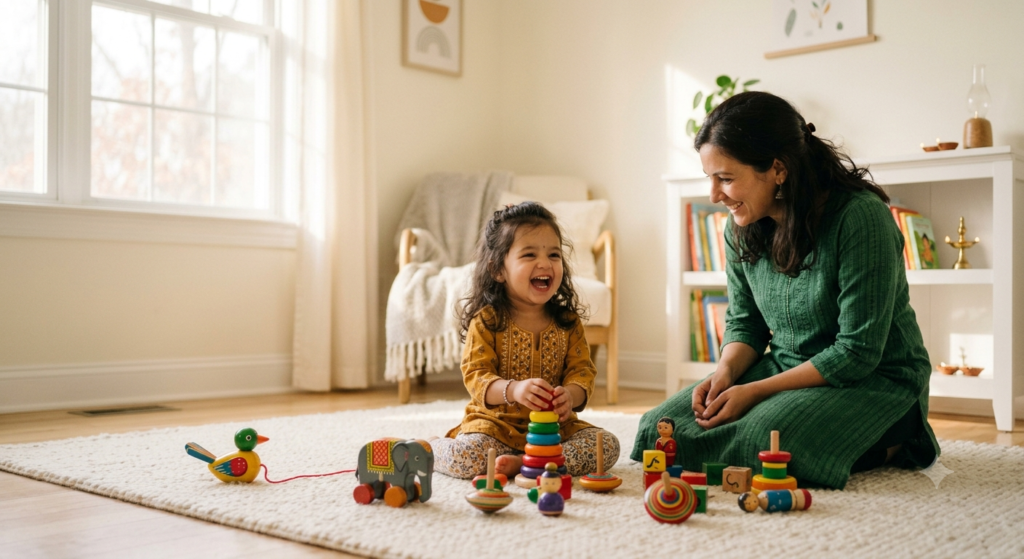
Compare wooden and plastic toys to understand why many parents are choosing sustainable, long-lasting wooden toys.
Safety Comparison
Wooden toys are typically made from natural materials and finished with non-toxic paints or vegetable dyes, making them a safer choice for children. In contrast, some low-quality plastic toys may contain harmful chemicals or break into sharp pieces, posing safety risks.
Environmental Impact
Wooden toys are biodegradable, renewable, and often crafted from sustainably sourced wood, making them an eco-friendly option. Plastic toys, however, contribute significantly to landfill waste and can take hundreds of years to decompose, impacting the environment.
Durability
High-quality wooden toys are built to withstand years of play without losing their charm or functionality. Unlike plastic toys that can crack or wear out easily, wooden toys are sturdy enough to be passed down through generations.
Educational Value
Wooden toys encourage open-ended play, allowing children to think creatively, solve problems, and develop cognitive skills. Plastic toys with electronic features may entertain children temporarily but often limit imagination and independent thinking.
Maintenance
Wooden toys are easy to maintain with occasional cleaning using a soft damp cloth and proper storage in a dry place. Plastic toys may require more frequent cleaning, especially those with batteries or electronic components that cannot be washed easily.
Cost Over Time
Although wooden toys may have a higher initial price, they offer excellent long-term value due to their durability and timeless appeal. Plastic toys often need frequent replacement, making them more expensive over time despite their lower upfront cost.
Child Engagement
Wooden toys encourage children to create their own stories, games, and learning experiences without relying on lights or sounds. This type of open-ended play keeps children engaged longer and supports emotional, social, and intellectual development.
Buying Guide
When purchasing wooden toys, look for products made from sustainably sourced wood, finished with non-toxic colors, and certified for child safety. Choosing authentic handcrafted toys, such as Channapatna wooden toys, also supports traditional artisans and ensures superior quality.
Conclusion
Both wooden and plastic toys have their place, but wooden toys offer clear advantages in terms of safety, sustainability, durability, and developmental benefits. For parents looking to invest in meaningful, eco-friendly play, wooden toys are a timeless choice that benefits both children and the planet.